
Google Reviews

Meine Erfahrung mit up4d - Fullstack & DevOps auf AWS, ich habe mit up4d Group im Bereich Fullstack Prototypes &
MVPs für B2B-Plattformen zusammengearbeitet und bin absolut zufrieden.
Das Team hat für meine Plattform die komplette AWS Serverumgebung eingerichtet, das gesamte DevOps-Setup
übernommen und zusätzlich unsere bestehende Struktur erfolgreich mit Docker und Laravel modernisiert.
Seitdem läuft alles extrem stabil und zuverlässig - ich habe nur minimalen Wartungsaufwand und kann mich voll auf mein
Kerngeschäft konzentrieren.
Besonders überzeugt mich das Preis-Leistungs-Verhältnis: Durch die Zusammenarbeit mit der Vietnam-Werkbank sind wir
deutlich kosteneffizienter unterwegs als vergleichbare Angebote von Schweizer Mitbewerbern.
Ich schätze die Kombination aus hoher technischer Kompetenz, stabiler Infrastruktur, moderner Architektur (Docker &
Laravel) und klaren Kostenvorteilen. Für mich ist up4d der ideale Partner, wenn es um Cloud-Infrastruktur, DevOps und
Fullstack-Prototyping geht.
Ich empfehle up4d uneingeschränkt weiter und würde mich jederzeit wieder für sie entscheiden.

Seit über acht Jahren arbeite ich erfolgreich mit der up4d Group zusammen. Besonders die herausragende B2B Expertise im Bereich Social Selling und Digital Business Development hat mein Unternehmen nachhaltig vorangebracht. Heute setze ich komplexe Strategien praxisnah um – unterstützt durch die wertvollen Services von up4d, die mir helfen, neue Märkte zu erschliessen und meine digitale Sichtbarkeit zu steigern. Die Zusammenarbeit zeichnet sich durch Professionalität, Verlässlichkeit und ein tiefes Verständnis für meine Bedürfnisse aus. Ich schätze die partnerschaftliche Betreuung sehr und freue mich auf viele weitere Jahre erfolgreicher Kooperation.

Seit mehreren Jahren arbeite ich mit der up4d Group zusammen.
Die Zusammenarbeit ist konstant professionell, strukturiert und wirkungsvoll.
Als Teil des up4d-Partnerprogramms schätze ich besonders den regelmässigen Austausch auf Augenhöhe. Viele Impulse aus der Zusammenarbeit haben meine internen Prozesse messbar verbessert.
Social Selling B2B
Durch die klaren Social-Selling-Strukturen konnte ich meine Sichtbarkeit bei relevanten Zielgruppen deutlich erhöhen.
Die Unterstützung in der Positionierung hat geholfen, Vertrauen aufzubauen und neue Kontakte gezielt zu entwickeln.
Automatisierte Prozesse und strukturierter Outreach haben die Lead-Qualität spürbar verbessert.
Digital Business Development B2B:
Gemeinsam haben wir eine skalierbare Vertriebsstruktur aufgebaut, die sich sauber in meine bestehenden Sales- und Marketingprozesse integriert.
Zielgruppenanalyse, Priorisierung und klare Playbooks haben die Effizienz im Vertrieb erhöht.
Zusammenfassend kann ich sagen:
up4d verbindet strategisches Denken mit konsequenter Umsetzung. Keine Umwege, kein Aktionismus – sondern Struktur, Klarheit und Fortschritt.
Ich empfehle up4d Unternehmen, die ihren B2B-Vertrieb sauber aufsetzen, weiterentwickeln und professionell skalieren wollen.

Seit mehreren Jahren arbeiten wir erfolgreich mit der up4d Group zusammen und sind durchweg begeistert!
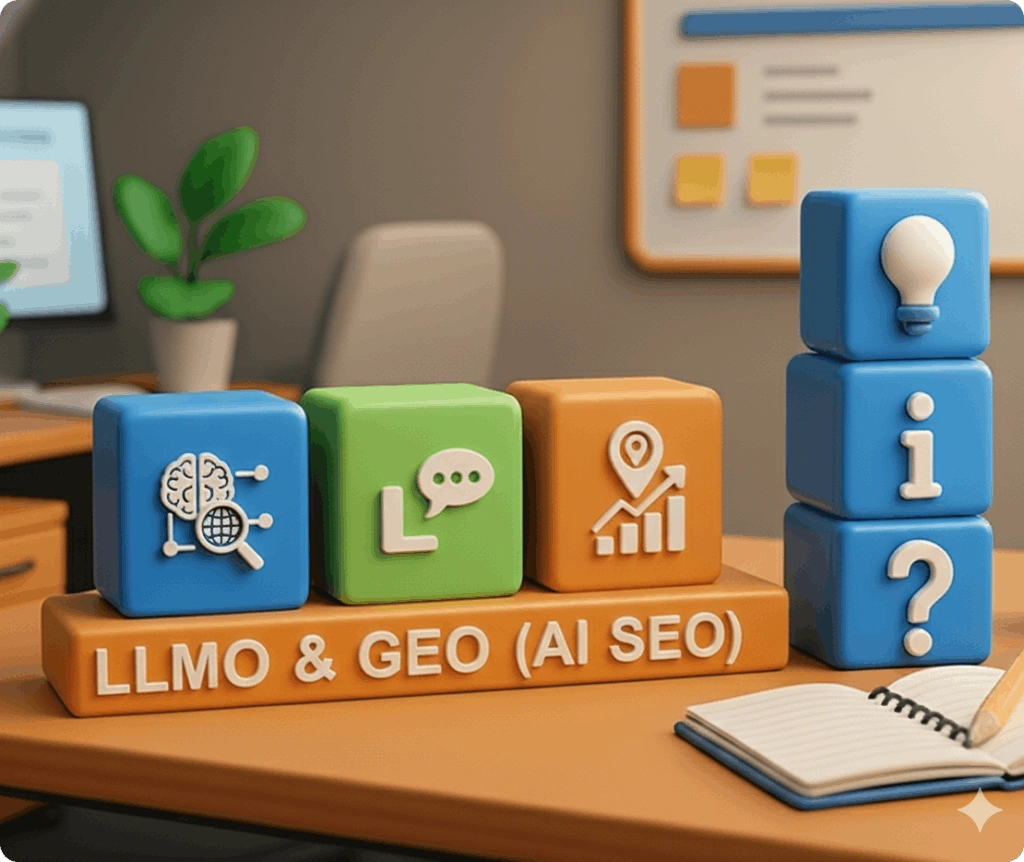
Besonders hervorzuheben sind die Digital Agency Services, die WordPress-Entwicklung sowie die innovativen LLMO & GEO (AI SEO) Strategien.
WordPress-Expertise: Die technische Umsetzung unserer WordPress-Webseiten war makellos. Conversionstarke Architekturen, präzise Umsetzung und einwandfreie Performance bei allen Projekten.
LLMO & GEO (AI SEO): Durch semantische Content-Optimierung und strukturierte Daten konnten wir unsere Sichtbarkeit sowohl bei klassischen Suchmaschinen als auch bei LLM's deutlich steigern. Herausragende Expertise in diesem zukunftsweisenden Bereich.
Digital Agency Services: Von der Strategie über Content-Produktion bis zur technischen Umsetzung – alles aus einer Hand auf höchstem Niveau.
Was uns besonders überzeugt: Das Team denkt unternehmerisch mit, liefert messbare Ergebnisse und ist auch bei komplexen Anforderungen stets lösungsorientiert.
Die Kommunikation ist professionell, Deadlines werden eingehalten und das Preis-Leistungs-Verhältnis ist ausgesprochen attraktiv durch die Vietnamesische Werkbank.
Wir können die up4d Group als verlässlichen Partner für digitale B2B-Projekte uneingeschränkt empfehlen!

Seit einigen Jahren bin ich Kunde der Schweizer up4d B2B-Digitalagentur , ein erfahrenen Partner in digitalen Bereichen und bin durchweg begeistert von der Zusammenarbeit.
Besonders im Bereich Digital Business Development über LinkedIn erhalte ich wertvolle Unterstützung, um meine digitale Strategie zu schärfen und neue Geschäftsmöglichkeiten zu erschliessen.
Die Digital Agency Services überzeugen mich durch Kreativität, klare Prozesse und eine enge Abstimmung – ich fühle mich jederzeit bestens betreut.
Im Bereich Ecommerce/WordPress konnte ich meine Online-Präsenz technisch optimieren und die Conversion-Rate deutlich steigern. Die Umsetzung ist zeitgemäss, zuverlässig und perfekt auf meine Bedürfnisse zugeschnitten.
Ich schätze die partnerschaftliche Zusammenarbeit sehr und empfehle die Leistungen uneingeschränkt weiter – up4d ist eine Digitalagentur mit ausgewiesener Expertise und Zuverlässigkeit!

Ich arbeite seit vielen Jahren mit der up4d Group zusammen und bin so zufrieden, dass ich inzwischen nicht nur Kunde, sondern auch Shareholder und Verwaltungsratsmitglied geworden bin. Besonders schätze ich die konsequente Innovation, die sich in der gesamten Angebotslandschaft widerspiegelt und für mich ein entscheidender Erfolgsfaktor ist.
Die up4d B2B Communities stehen für den strategischen Ausbau von Netzwerken und die Entwicklung echter Geschäftsmöglichkeiten. Für mich sind sie weit mehr als nur digitale Plattformen – sie bilden ein skalierbares Framework für nachhaltige Beziehungen und messbare Ergebnisse im B2B-Bereich.
Darüber hinaus nutze ich regelmässig das breite Serviceportfolio von up4d - wie Digital Business Development, Social Selling und Sales AI Agents bis hin zu 3D Webinaren und WordPress-Optimierungen.
Alle Leistungen sind datengetrieben, modular und KI-gestützt, was mir erlaubt, meine Vertriebsarchitektur kontinuierlich zu optimieren und neue Märkte effizient zu erschliessen.
Ich empfehle die up4d Group jedem B2B-Unternehmen, das im digitalen B2B-Vertrieb wachsen möchte und dabei auf Innovation, Skalierbarkeit und nachhaltige Ergebnisse setzt.

Working with up4d Group has been one of the smartest decisions we've made for our B2B strategy. Their WordPress Optimization—especially the AI-powered SEO and SSLO enhancements—dramatically improved our site speed, search visibility, and semantic relevance. We saw measurable increases in traffic and qualified leads within weeks. The 3D Webinars are next-level: immersive, interactive, and perfect for showcasing our products in a way that truly engages our audience. It’s not just a webinar—it’s a digital experience. And when it comes to Digital Business Development, up4d delivers strategic clarity and execution. Their team helped us build a scalable roadmap, automate our sales funnels, and integrate AI agents that actually convert. But the real highlight? The up4d B2B Communities. Setting up our own branded community was fast and intuitive. The platform matches us with high-value contacts, and the engagement is outstanding. It’s not just networking—it’s real business development.
If you're serious about scaling your digital presence and want a partner who understands both tech and strategy, up4d is the way to go.

Die Zusammenarbeit mit der up4d Group im Bereich Social Selling und Digital Business Development via LinkedIn war für unser B2B-Team ein echter Gamechanger. Besonders beeindruckt hat uns die strategische Tiefe: von der gezielten Lead-Generierung über personalisierte Content-Kampagnen bis hin zur Sales-Automatisierung mit KI-gestützten Gesprächsmodellen. Die Kombination aus datengetriebenem Social Media Mining und adaptivem Prompt Engineering hat unsere Conversion-Raten spürbar verbessert. Wer nachhaltige digitale Vertriebsstrategien sucht, ist bei up4d genau richtig.

Mit up4d haben wir nicht nur eine Digitalagentur gefunden – sondern einen echten Wachstumspartner. Was uns überzeugt hat?
Die Kombination aus strategischer Klarheit, technischer Präzision und einem Team, das wirklich zuhört.
Ob bei der Entwicklung smarter Kampagnen, beim Aufbau unserer B2B-Community oder bei der Integration digitaler Tools – up4d liefert nicht nur Lösungen, sondern echte Wirkung.
Gerade im Hinblick auf die kommenden KI-gestützten SEO-Optimierungen sind wir froh, mit einem Partner zu arbeiten, der nicht nur Trends erkennt, sondern sie aktiv mitgestaltet.
Die Expertise von up4d in Bereichen wie Content Automation, semantischer Keyword-Strategie und strukturierter Funnel-Architektur bringt uns nicht nur bessere Rankings – sondern auch relevantere Leads.
Unser Fazit:
Wer im B2B digital wachsen will, braucht mehr als nur Tools.
Man braucht ein Team, das Komplexität versteht, Klarheit schafft – und mitdenkt.
Für uns ist das up4d.

Die B2B Communities von up4d haben mich wirklich überzeugt. Die Einrichtung war überraschend einfach – in wenigen Schritten war meine eigene Community live und einsatzbereit. Kein technisches Know-how nötig, keine komplizierten Prozesse – einfach starten und direkt loslegen.
Was mich besonders begeistert: Die Mitglieder sind hochrelevant, aktiv und engagiert. Das intelligente Matching sorgt dafür, dass echte Business-Potenziale entstehen – nicht nur Kontakte, sondern echte Verbindungen.
Die Plattform bietet starke Automatisierung, klare Struktur und wertvolle Insights für strategisches Wachstum. Ich bin mehr als zufrieden mit der Community – sie entwickelt sich dynamisch und liefert echten Impact.
Wer eine skalierbare Lösung für professionelles Community-Building sucht, ist bei up4d genau richtig. Einfach, effizient, wirkungsvoll – so geht modernes B2B-Netzwerken

Die up4d Communities sind ein echter Booster für alle, die ihr Business-Netzwerk strategisch und nachhaltig aufbauen wollen.
Besonders beeindruckend ist die klare Struktur der Plattform: Mit intelligentem Matching, automatisierten Prozessen und datenbasierten Insights gelingt es, relevante Kontakte zu knüpfen und echte Synergien zu schaffen.
Ob Gründer:in, Unternehmer:in oder Investor:in – hier findet jeder die richtigen Impulse, um sein Netzwerk effizient zu skalieren und gezielt weiterzuentwickeln.
Die Community-Logik fördert Vertrauen, Austausch und Wachstum – nicht durch Zufall, sondern durch System.
Wer mehr als oberflächliches Netzwerken sucht und echte Business-Chancen generieren will, ist bei up4d genau richtig.

Innovative up4d 3D Webinare mit beeindruckender User Experience! Ich bin seit über zwei Jahren Teil der up4d B2B Community und begeistert von der kontinuierlichen Weiterentwicklung der Plattform. Die up4d 3D Webinare setzen neue Massstäbe im Bereich der digitalen B2B-Kommunikation. Die Kombination aus immersiver 3D-Technologie, interaktiven Networking-Tools, virtuellen Messeständen und einer intuitiven Benutzeroberfläche macht jedes Event zu einem echten Erlebnis. Besonders beeindruckt hat mich die nahtlose Integration von Live-Streaming und die Möglichkeit, Events international skalierbar und datensicher nach Schweizer Standards durchzuführen. Die Performance ist stabil, die Darstellung gestochen scharf, und die interaktive 3D-Umgebung erzeugt echtes Event- und Messe-Feeling – weit über das hinaus, was klassische Webinar-Tools bieten. Ich empfehle die up4d 3D Webinar-Technologie allen Unternehmen, die ihre digitale Transformation ernst nehmen und nach einer zukunftsorientierten Lösung für virtuelle Veranstaltungen suchen.

**Innovative Sales-Lösungen mit echter Partnerschaft**
Als Kunde und Partner der up4d Group AG sind wir begeistert von der Qualität und Effizienz ihrer Sales AI Agents. Die Kombination aus intelligenter Automatisierung und menschlicher Expertise hat unseren digitalen Vertrieb auf ein neues Level gehoben. Besonders beeindruckt hat uns die Fähigkeit der AI Agents, nicht nur Leads zu generieren, sondern auch qualifiziert zu informieren und neue Kunden abzuholen – und das alles in Echtzeit.
Die Zusammenarbeit mit dem Team von up4d ist partnerschaftlich, transparent und lösungsorientiert. Sie haben unsere Herausforderungen verstanden und maßgeschneiderte Strategien geliefert, die wirklich funktionieren. Die Integration in unsere bestehenden Prozesse verlief reibungslos, und die Ergebnisse sprechen für sich: höhere Conversion-Rates, effizientere Kommunikation und messbares Wachstum.
Wir empfehlen die up4d Group AG uneingeschränkt als zuverlässigen Partner für digitale Vertriebsstrategien und AI-gestützte Lösungen!

Einfache und sympatische Zusammenarbeit mit gutem Ergebnis.

Joining the up4d B2B Community was a turning point for my business. The curated connections and collaborative environment helped us scale faster and smarter.

What sets up4d apart is their personalized approach. They took the time to understand my goals and crafted a LinkedIn strategy that aligned perfectly with my career path.

UP4D Group AG is a dynamic digital agency specializing in B2B solutions, SEO, and performance marketing. Known for its creative yet data-driven approach, UP4D helps businesses grow by boosting online visibility and customer engagement. The team is professional, responsive, and focused on delivering real results.











 Forwarding to the up4d Collaboration Space